

The Pensacola Plane Crash drew widespread attention after a small aircraft was forced into a Pensacola Plane Emergency Landing on Interstate 10 in Escambia County, Florida. The pilot reported engine trouble during the flight and made a quick decision to land on the highway, avoiding nearby traffic and populated areas. Thanks to the pilot’s training and the fast response of emergency crews, everyone on board escaped without serious injuries. Authorities are now investigating the cause of the engine failure while praising the safe handling of the emergency.
What Happened During the Pensacola Plane Crash?
The Pensacola Plane Crash story quickly gained attention after a small aircraft was forced to make an unexpected landing on Interstate 10 in Escambia County, Florida. Although the incident appeared dramatic, it ended without serious injuries thanks to the pilot’s quick thinking and calm response.
According to officials, the aircraft experienced engine trouble while flying near Pensacola. With limited options available, the pilot decided to land on the highway rather than risk losing control in a populated area. Drivers on the interstate were surprised to see the aircraft descend, but the landing was completed safely.
Emergency crews arrived within minutes to secure the area, direct traffic, and inspect the aircraft. The successful outcome highlighted the importance of pilot training and fast emergency response.
Understanding the Pensacola Plane Emergency Landing
The Pensacola Plane Emergency Landing happened after the pilot reported mechanical problems during the flight. Early reports indicate that the engine began losing power, leaving the pilot with little time to choose a safe landing spot.
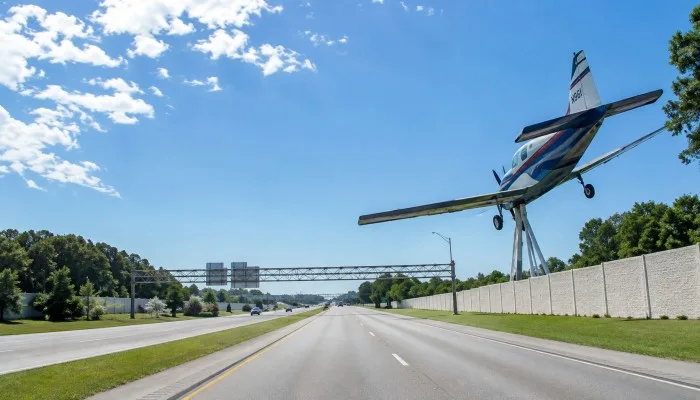
The aircraft touched down on I-10 without striking any vehicles. Witnesses described seeing the plane glide smoothly before coming to a stop on the roadway. While traffic was temporarily affected, authorities quickly managed the situation and reopened the interstate after ensuring the scene was safe.
Investigators are now examining the aircraft to determine what caused the engine problem. The investigation will focus on maintenance records, mechanical components, and flight conditions before the incident.
Pilot’s Quick Decision Prevented a Bigger Disaster
One of the biggest reasons the Pensacola Plane Crash did not become a tragedy was the pilot’s calm decision-making. Aviation experts often train for engine failures, but every emergency is different. In this case, selecting a wide stretch of interstate gave the aircraft the best chance of landing safely.
Officials also confirmed that a student pilot was on board during the flight. Both people escaped without major injuries, making the incident an example of how proper training and teamwork can make a major difference during an emergency.
The successful landing also showed the value of communication between pilots and air traffic controllers, who helped coordinate the emergency as events unfolded.
Response From Emergency Crews
Following the Pensacola Plane Crash, law enforcement officers, firefighters, and emergency medical teams quickly responded to the scene. Their main priorities included protecting motorists, checking the condition of the people on board, and preventing additional hazards on the interstate.
Authorities temporarily closed sections of I-10 while crews inspected the aircraft and arranged for its removal. Traffic delays followed, but normal travel resumed once officials confirmed the highway was safe.
No reports suggested that anyone on the ground was injured, and no vehicles were directly involved in the landing.
What Investigators Are Looking At
Every aviation emergency is carefully reviewed to improve future flight safety. After the Pensacola Plane Crash, investigators began collecting evidence to understand exactly what happened.
Their review is expected to include:
- The condition of the aircraft’s engine.
- Maintenance and inspection history.
- Weather conditions during the flight.
- Pilot communication before the landing.
- Flight data and witness statements.
The findings may help identify whether the emergency resulted from mechanical failure or another technical issue.
Kevin Owens Injury Return Injury Recovery News Update
Lessons From the Incident
The Pensacola Plane Crash serves as a reminder that emergency landings, while rare, can happen even on routine flights. The positive outcome shows how preparation, experience, and quick decisions can prevent serious injuries.
Pilots regularly practice emergency procedures because unexpected mechanical problems can occur at any time. In this case, those skills helped avoid a far more dangerous situation.
Motorists who witnessed the event also played a role by slowing down and giving emergency responders space to work safely.
Final Thoughts
The Pensacola Plane Crash ended with a safe outcome despite the frightening circumstances. The successful highway landing demonstrated the pilot’s professionalism and the rapid response of local emergency crews. As investigators continue examining the aircraft, the incident will likely provide valuable lessons for the aviation community.
While mechanical problems can never be completely eliminated, proper aircraft maintenance, continuous pilot training, and effective emergency planning remain essential for keeping passengers and the public safe. Thankfully, this event concluded without loss of life, turning what could have been a major disaster into an example of skilled emergency handling.
Sid Wilson Fired as Net Worth and Age Draw Attention
